I spent my life copying other people
I wish I’d had the courage to live a life true to myself, not the life others expected of me.
This is the most common regret shared by people on their deathbeds according to Bronnie Ware, who worked several years in palliative care. She asked her patients about their regrets, and the most common answer was that people didn’t listen to themselves enough and didn’t follow their intuition, leading to a lot of dreams left unfulfilled.
While I am still alive and well, I wanted to explore this topic and try to understand why we make this mistake during our lifetime.
Imitation of others
My whole life, since I was a little kid, I remember always trying to be someone else. I learned about some “cool” person, or about a trendy subculture, and immediately tried to imitate them.
I had this a lot with music. When I was a teenager, I went through most of the subcultural evolutions that existed at the time: punk rock, hip-hop, and different kinds of electronic music. A lot of times I didn’t actually like the music. I was just trying to be cool and belong. So instead of listening to the music that I enjoy, I was torturing myself, maybe even believing at the time that I liked it.
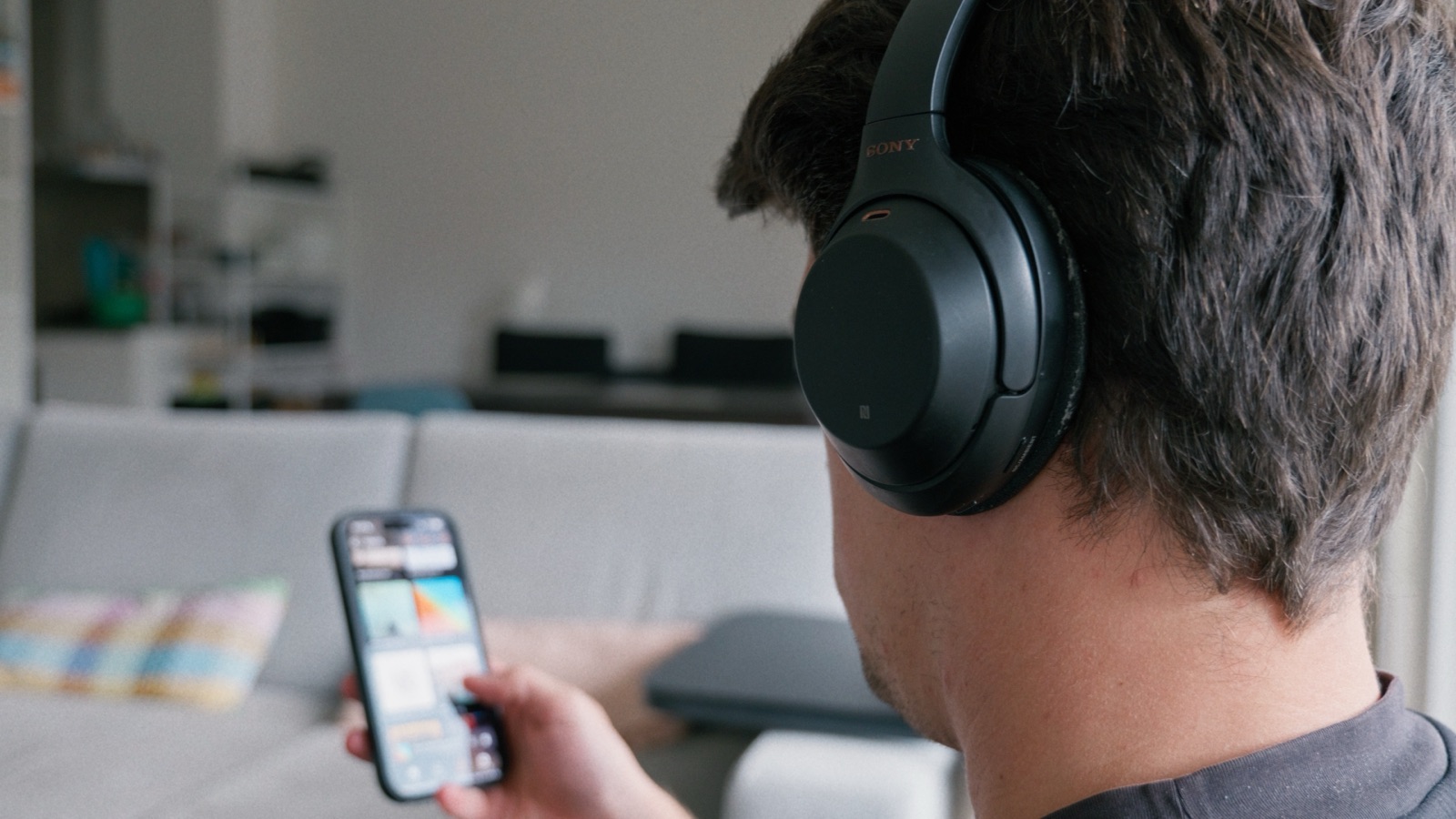
As social creatures we use imitative learning a lot. Evolutionarily, we adopted this behaviour more than any other animals, and it’s been working pretty well for us. It’s very effective to learn from other humans’ mistakes instead of doing trial and error by yourself, especially in the beginning of times, when an error can simply cause death. Unfortunately, as useful as it was in the ancient times, this method of learning is also part of many issues in modern society.
As I quickly learned, following every little fad and cultural hype does not make a person happy. It makes you feel like you belong to some tribe, but it doesn’t necessarily make your life satisfying. Just because somebody enjoys something doesn’t mean you will.
This behaviour is also quite tricky as it’s prone to many biases. If you see someone successful, you might think their path to success could be easy enough for you to imitate. Unfortunately, most successful paths are not easily traceable, and there are a lot of hidden factors that even a successful person wouldn’t be able to explain.
When someone says they were successful because they did X, Y, Z, and they even might believe that, it doesn’t make it true. Often people trick themselves and believe in faulty reasons for their success. So if they themselves don’t always know the reasons, how would you, an external observer, be able to imitate their success?
That’s the lesson that I would learn over and over again throughout my life, and I am still falling into those traps. It’s not an easy way to avoid an imitation behaviour because it’s literally integrated into our species. But I do think it’s important we notice that, and steer away from that way of thinking. Because imitation and always obsessing at what others are doing could lead to another, arguably even more dangerous trap of modern times, external validation.
External validation
I really like this quote from 18th century French political philosopher Montesquieu:
If one only wished to be happy, this could be easily accomplished; but we wish to be happier than other people, and this is always difficult, for we believe others to be happier than they are.
Do you see the issue here? External validation is not only an attempt to seek approval from others, it also often leads to the attempt to be better than others. The truth is that we don’t know enough about others to accurately judge their status. We often don’t know much about our family and close ones, how much do you think we know about people online, for example?
This leads me to my favorite topic of social media. One of the biggest accomplishments of the Internet is how it managed to globalise our world. At any time of the day we can check the thoughts of famous people, or what they are up to, or what they ate for breakfast. It makes us think that we know them pretty well. We watched hundreds of their Instagram stories, right?
Since we believe that most popular people have success, money, or recognition, we set those as our goals, and we judge our own path based on those criteria. Social media and other Internet companies make things even worse because they give us tools that try to quantify those metrics. Get more views, likes, climb the top charts and success is around the corner.
At this point we:
- See the people who are successful online or in the media, which is itself the product of survivorship bias.
- We try to imitate them thinking we know them pretty well and we can trace their path to success.
- We try to judge our own accomplishments based on those insanely unlikely results.
- Social media provide us with metrics that we use to judge everything we create, but in reality only help social media companies to make their platform more popular.
The end result: we feel miserable and depressed and wonder why.
This behaviour has become so popular, we feel inadequate if we’re not following the same tropes. People look at you weirdly if you don’t have a certain social media, usually a very specific one that is important in this particular tribe. What are you even doing?
So we keep convincing ourselves that we have to be part of that, even if we feel unhappy.
As the quote attributed to Krishnamurti says:
It is no measure of health to be well adjusted to a profoundly sick society.
That is true to this day, maybe even more so.
Trusting yourself
The Internet opened up an incredible opportunity for independent creators: writers, artists, musicians, or even non-creative people like myself to try and create something, and maybe find a like-minded community, and connect over ideas you care about. I’d argue the Internet was this creative and communal space for a while, but recently things changed for the worse, and they keep heading in the wrong direction.
Instead of everyone being themselves and showcasing their weirdness and uniqueness, social media created this effect of mediocrity that everyone else is copying. Recently, AI made things even worse, as by definition LLMs are trained to suggest the probable answer, meaning the most mediocre and average one. So if you use LLMs for creative processes, the results will be the same as other people’s.
This effect not only produces average results, but it’s also harmful for the creators, as they deny themselves to use intuition. As a result, they trust themselves less and less, and rely more on external metrics.
Here, I am not trying to criticise other people, and most of it is from my personal experience. I always fall into those traps of external validation, instead of listening to my inner self, because I am afraid that being myself is not what is expected in society. Because I won’t be accepted as who I am. I always find those people who look smart and intelligent, and successful, and try to figure out how I can be more like them. To eventually realise that I don’t actually want to be like them. I want to be myself.
When I finally follow my heart, and I make decisions that are truly coming from my own intuition, I always feel contentment and satisfaction. It’s like an instrument goes out of tune and feels off. But when you tune it, it immediately sounds just right, and you know it.
So I want to encourage you to find your inner self. To embrace your unique voice, your life experience, and even your weirdness. Be yourself, listen to yourself, and nurture your intuition.
It’s okay to look around and enjoy and listen to what others are doing, it actually gives you a lot of inspiration and ideas. Just make sure at the end of the day you stay true to yourself.
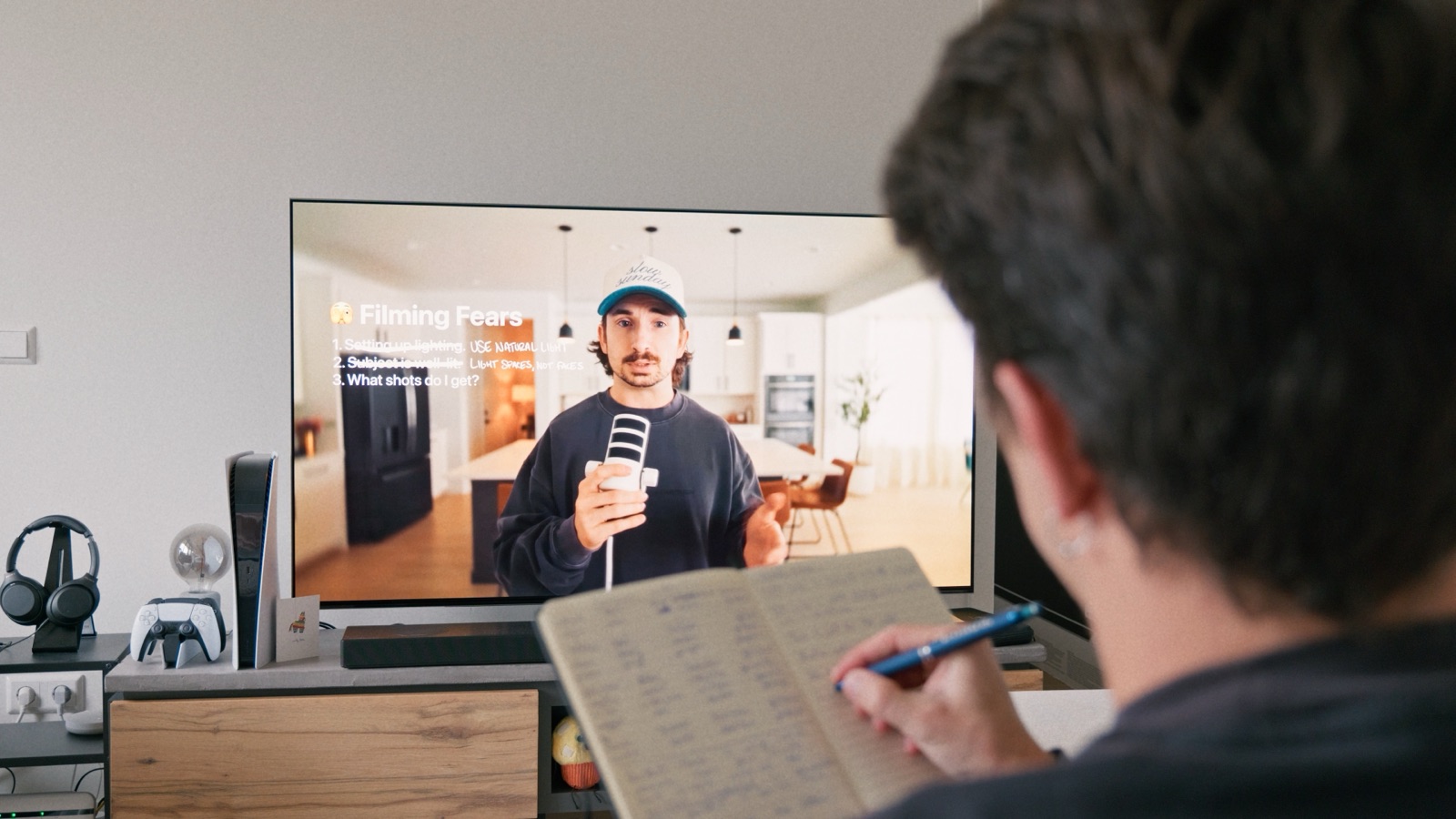
It’s not just for the people who want to build or create something. But even day-to-day life can benefit a lot if you’re using your inner voice more often and you’re honest and clear about who you are.
I think that the creative process could help that discovery. As creativity is meant to be expressive, you might learn something about yourself through the craft. It doesn’t mean you have to publish it for all the world to see. You can just create for yourself.
Apart from creating, what helped me personally is journaling. Try to remember what you wanted to do when you were a kid, what dreams you had back then and why you wanted that? Maybe it’s still important to you but you suppressed that. Try to dig deeper into what makes you tick, what makes you you.
Journaling is great because it helps a lot to write your thoughts down and then revisit and think about them more. Try to ignore most of the external noise and truly look inside your mind for answers.

Defining your values is also a good way to remind yourself what is important. Try not to put yourself in a box too much, but sometimes we need a reminder of what is important, and as well as what is NOT important to us. We are often stuck doing things we don’t like, just because we used to do them.
If you want to publish your work online or elsewhere, make sure not to confuse creativity with art. I noticed some people do that and ask too much of themselves when they create. Art is fantastic, of course, but art has all kinds of connotations and rules. Try not to limit yourself in this stage of discovery. Just enjoy the process that makes you happy.
I want to finish with the quote from the person who once was one of the most powerful people on Earth, who struggled with the same issues as we do today.
I have often wondered how it is that every man loves himself more than all the rest of men, but yet sets less value on his own opinion of himself than on the opinion of others.