Removing things from your life
A few years ago, I realised that many of the apps, habits, and tools that I introduced into my life, that were supposed to make me more productive and better organised, turned me off from actual goals and tasks I could have been doing.
So I started removing them, discovering much more clarity. This simple act made me think what else in our lives we’re clinging onto, that we should have just let go a long time ago.
Addition bias
Leidy Klotz, a professor at the University of Virginia, and author of the book Subtract: The Untapped Science of Less, discovered that humans are hardwired for accumulation and addition.
After a series of experiments, they found that when we are faced with a problem, the first instinct that pops up in our brain is to add something, even in obvious cases when removal would be much simpler, cheaper, or more effective. It’s a real cognitive bias, and in many cases, our brain doesn’t even offer us a removal solution, unless specifically prompted to do so.
Only 11% of ideas to improve a university were about removing something
When a new university president asked people how to make the university better, 651 suggestions came in. Klotz’s team sorted them by whether they added something or took something away.
- Remove a rule, practice or program 11%
- Add or change something 89%
The most famous experiment they did was to ask people to improve a bridge made of LEGO blocks to make it hold weight more stably. The majority of the participants in the first group added more blocks, although the optimal solution was just to remove one block. To the second group, they specifically announced that “you can remove blocks”, and even naming that option changed the dynamics, and more people offered removal solutions. Without naming that option, people never even thought of that.
People who removed a block to fix the LEGO structure
Adding a block cost 10 cents. One group was also told that removing pieces is free.
No hint
Told “removing pieces is free”
Many reasons are named why it happens to humans. Some of them are evolutionary, but some are simply cultural. We feel like we’re losing something when we subtract. Our society is focused on progress and making more stuff. Have you ever heard that any corporation tried to make less profit, produce fewer things, and make less impact?
Though not at our fault, this trait doesn’t serve us well in the modern world. We live in an era of abundance. When we have access to everything at every second in time, it might be even harmful.
The same goes not only for the apps on your phone or tools you installed on your computer. It also spreads to what you consume. In the modern world, our society is extremely overstimulated because we’re trying to take in everything. Whether it’s FOMO or boredom, we consume an absolutely insane amount of information without a chance to process it. That’s how we got to this point, where a lot of people are simply unhappy.
But this rule spreads even further, to our beliefs, identities, relationships, habits, and everything we do in our day-to-day life, and also to the directions we choose to take. We are in constant stress of missing out, we envy others, so we’re trying to take on more and more in an attempt to make it better. But it only gets worse.
Personal experience
Digital clutter
I first noticed this effect with digital clutter. I had too many apps, and tools, and projects, and flows. All I did was adding things to my digital life to fix my productivity, and it was only making it worse.
Then I discovered Cal Newport, a computer science professor at Georgetown University, and the author of the book Digital Minimalism. Here is what Cal is saying in the book:
Clutter is costly. Digital minimalists recognize that cluttering their time and attention with too many devices, apps, and services creates an overall negative cost that can swamp the small benefits that each individual item provides in isolation.
That’s when it clicked for me. When we pick one small thing, and look at it in isolation, it seems useful. It seems like it’ll improve our life. But we rarely look at it from a wide point of view, considering the context of our lives. That’s where I quickly realised to make my life better and more productive, I need to stop adding, and start subtracting. That’s the path to simplification.
When I finally realised the cost of adding more things, starting with my digital life, I started to reflect and act on that. I removed most of the productivity tools and hacks I’ve been taught, and replaced them with simple tools that get the job done.
- Instead of a to-do list, I have pen and paper near my laptop.
- Instead of complicated Notion documents, I have Apple Notes.
- Instead of overthinking and procrastination, I have journaling.
Quitting social media
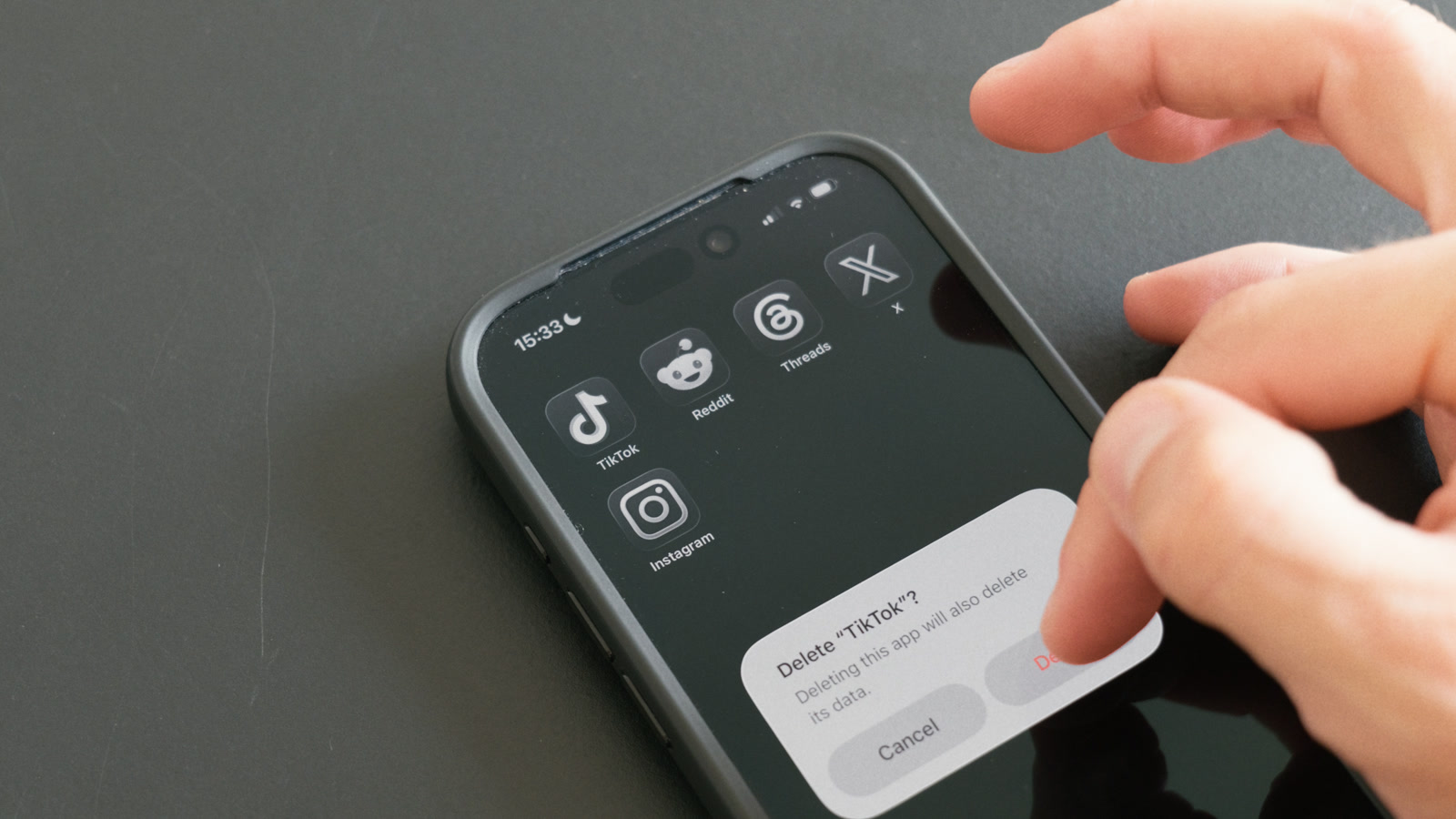
It eventually led me to the path of asking myself which other digital habits are no longer making me happy and make me miserable. The first and very obvious answer, after I journaled about it for some time, was social media. And quitting social media was one of the best decisions I’ve ever made. It felt like so much weight was lifted off my shoulders. No more performance, no more FOMO, no shallow social interactions.
Digital detox
Following the advice from the Digital Minimalism book, I started experimenting with digital detox more. I try to do fully offline 3-4 days, twice a year, when I completely unplug from the Internet. The feeling I get after each of these days is so nice. It’s a pure clarity and relief.
But even day to day, I try to keep my phone in the corner of my house where I rarely encounter it. It’s a simple technique called landlining: your phone is always plugged in, and if you need to check something, you need to walk to the place where it’s plugged in.
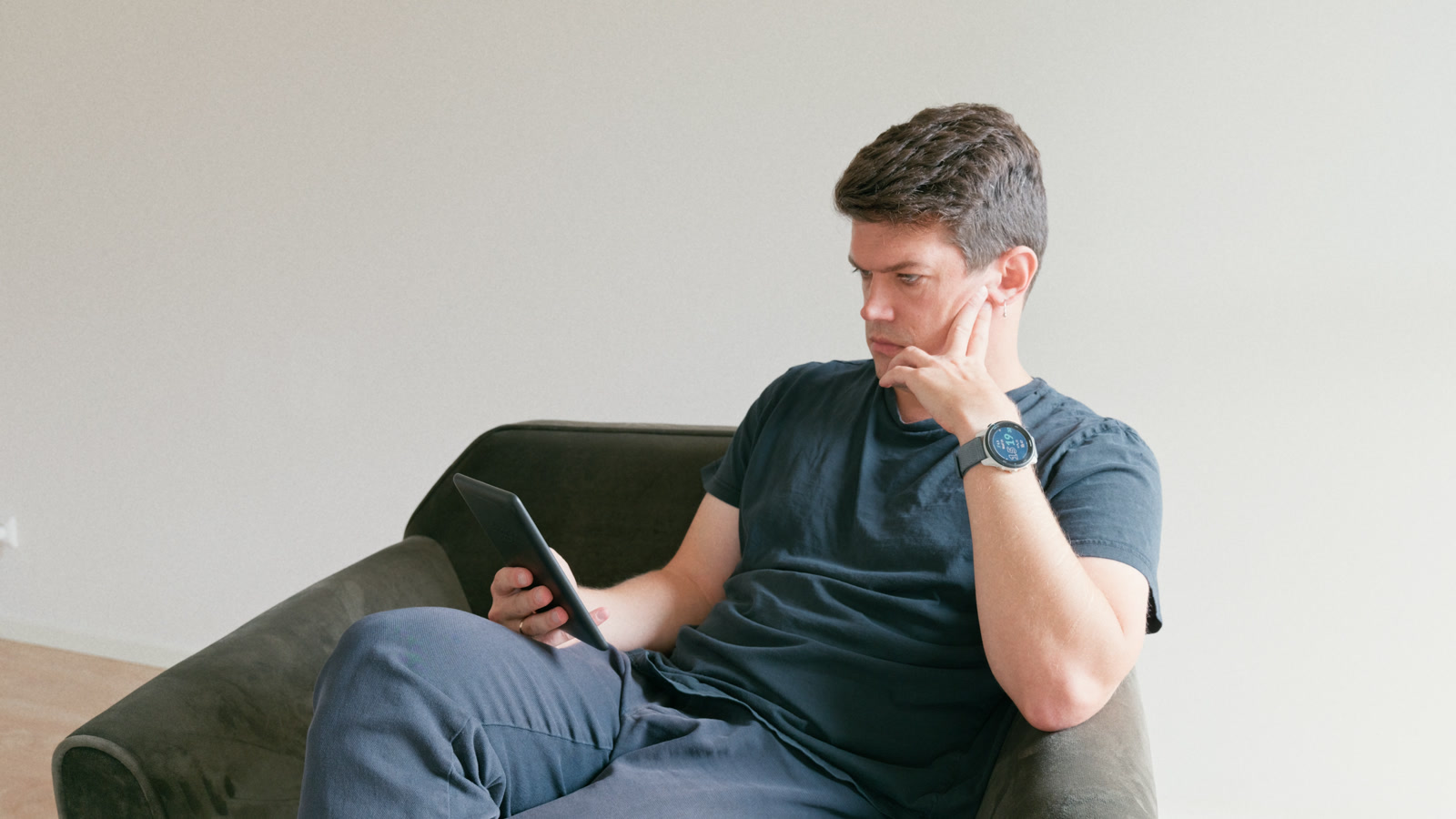
I prefer reading on offline devices. I read mostly on Kindle, and recently I started getting more physical books, which I think is an even better step for reading. I also try not to bring my phone when I go for a walk, so I have actual time to think. And I’m trying to find more hobbies and activities in the physical world instead of the digital one.
I am still not perfect of course, nobody is, but this is a journey by definition. That’s why I love journaling. It helps you to reflect on your own life, and make decisions to adjust.
Beliefs, habits, relationships
After I realised how important decluttering is in digital space, I started looking further into my life. There are many beliefs, habits, possibly relationships that I never reevaluated, and I was just living with them through many years or possibly even my whole life. This journey is much harder than digital decluttering, and it requires a lot of reflection and asking yourself over and over the question “Why?”. I think it might be useful to get professional help, but for me journaling has been working pretty well so far, so I am sticking to it for now.
The dangerous aspect is that our actions and beliefs can easily become our identities. Changing habits is hard, but changing the whole identity is an extremely hard path, and it requires a lot of deliberate action.
In my opinion, having your identity attached to one thing is just never a good idea. For example, recently we see a lot of panic that AI is taking our jobs, as we identify ourselves as software engineers, or designers, or product managers. So when some of the tasks we do are being replaced by a machine, what does it leave us? Who are we now? Is a machine taking our identities? That’s quite scary.
But if we don’t attach ourselves too closely to the job titles, we might see that different options exist. Maybe there will be something else I can do in the same space, that’s maybe even more fun, and I’ll delegate all the boring stuff to AI.
Reframe
What I am trying to say is that when we remove all the clutter, and all the noise that’s been blocking our view, we might see things much more clearly, and start a beautiful journey of learning who we truly are. Removing things doesn’t leave you with a hole, but it adds much more clarity to the lens of your point of view. The rest is just tools that can help us get there. But make sure you use the right tools that fit you, and cut off the rest.
Start journaling
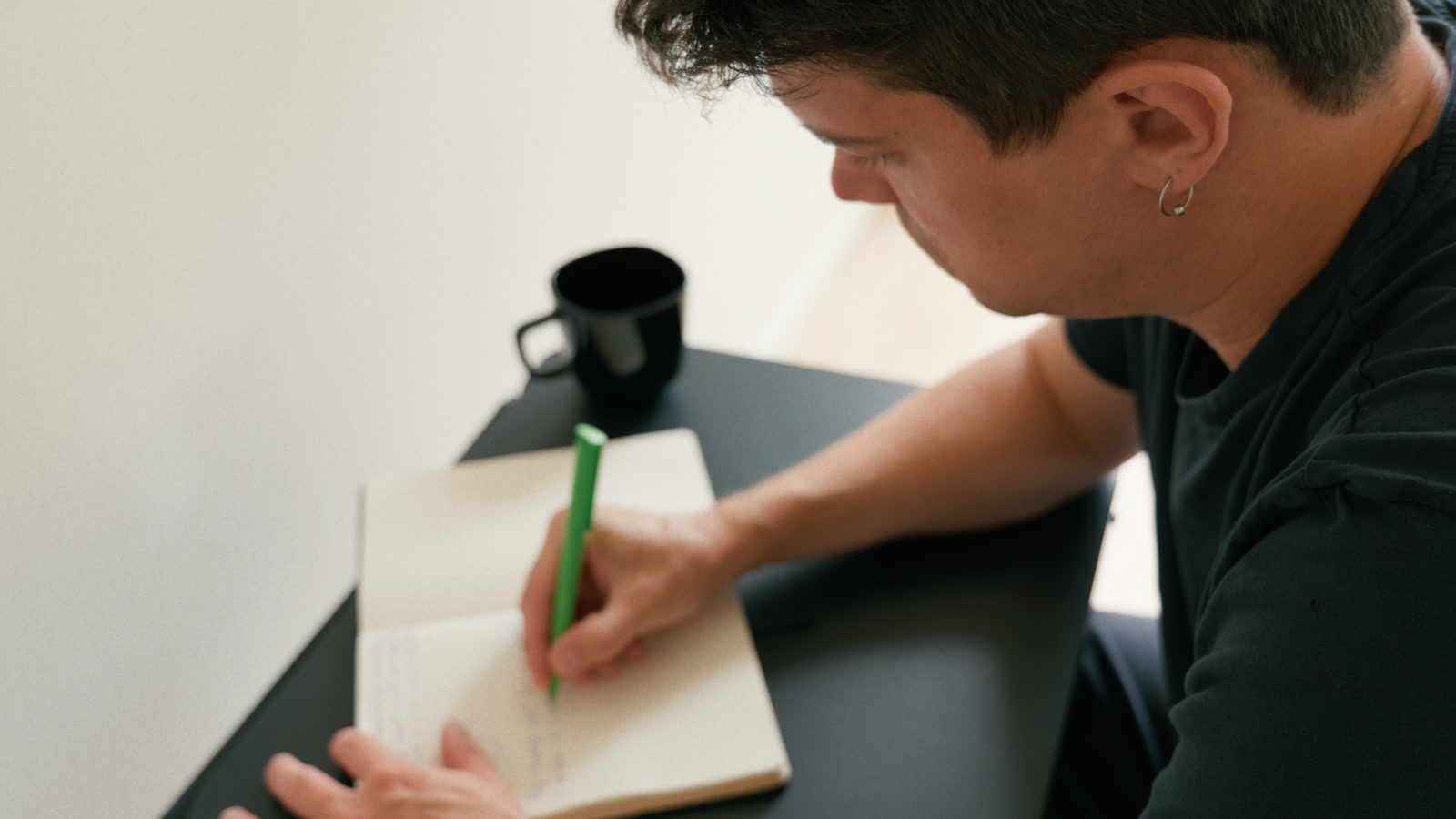
Practically, if I can give you one piece of advice, I recommend you start journaling. It doesn’t matter where you journal, what matters is you ask questions about yourself, and listen to your unfiltered, unbiased answers. There is nobody to perform for. Nobody is ever going to read this journal except you, so just be honest with yourself.
Ask what things in your life no longer serve their intended purpose. You can just write an entry every day about a certain belief, or thing, or habit that you have and try to figure out if it’s useful to you personally or not. When you discover something about yourself, ask “why?”. Why do you believe this? Is it really true? Why do you behave like you do? If you can’t think of the reasons for having something, it might not be needed. It’s a long journey, so don’t expect it to fix everything in your life, but it’s a very interesting one, and some answers might surprise you.
Next, you might start getting rid of things that you discovered no longer serve you. Don’t worry, you can always pick them up later. If you live in a state of clutter, like I did, you need some time to breathe and you need some space. Try to remove everything unless you think of a “Hell yeah” answer to the question whether you need this or not. Go further and think of people that might clutter your life as well.
In my experience, it’s all worth the effort, and the journey of self-understanding is one of the most interesting you might take. The more you subtract from your life, the better will be your ability to listen to yourself. The more you listen to yourself, the better you know what to subtract.