The real cost of living in Barcelona (in 2026)
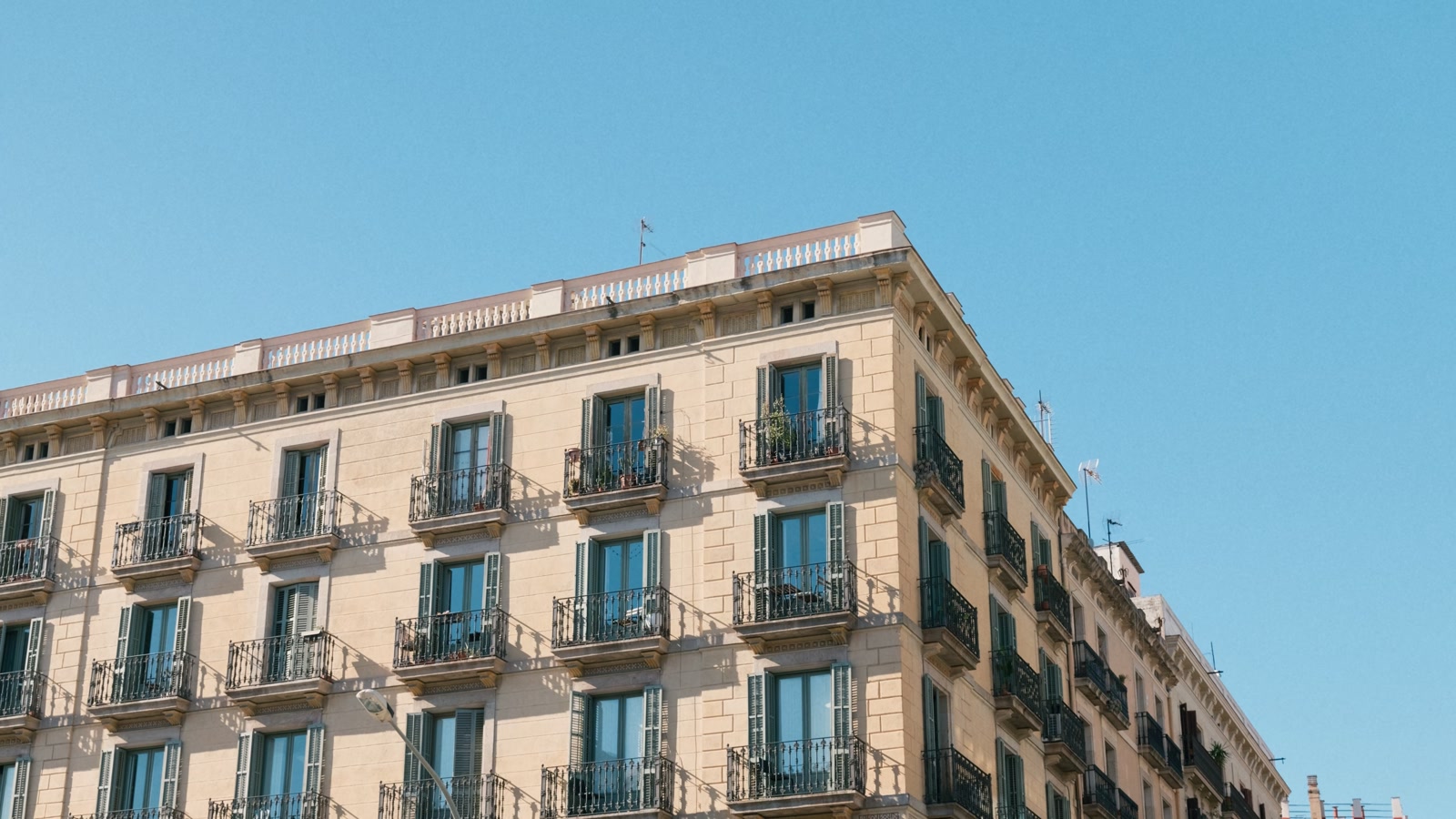
I have heard a lot about the great city of Barcelona in the past. It’s probably one of the most famous cities in Europe for architecture, food, cool coastal vibes, and tourism.
Last winter, I decided to visit and live there for a month to check what the hype is about.
Barcelona and Madrid are both ranked the most expensive cities in Spain. I went there thinking that, in addition to a winter escape, Barcelona might be an affordable option compared to the Netherlands. In the end, the numbers told me a different story than I expected.
Barcelona is the most expensive city in Spain
Numbeo’s cost of living plus rent index, November 2026. New York is 100, so lower is cheaper.
Let’s break down the real numbers of how much I actually spent living in Barcelona for a month. At the end, I’ll also briefly talk about salaries and taxes in the country.
Accommodation
Accommodation is always the biggest expense, no matter where you’re living. And if you come to a place for just a month, the costs will be even higher.
Rent has gone up quite a bit in recent years, as more and more people, both locals and expats, are moving to live here. As everywhere, rent in Barcelona heavily depends on the location.
In expat-friendly areas like Poblenou, Eixample, and Gràcia, rent for an apartment under 70 m² is around €1,500-1,700. In more touristic areas like El Raval, the Gothic Quarter, and Barceloneta, rent is cheaper, and some apartments can be found for as little as €1,000. I am not sure you want to live in those areas, especially in summer, because they are extremely crowded with tourists. In areas where richer people live, like Sant Gervasi, rent might as well go up to €3,000.
Monthly rent for a long-term apartment, by area
What I found when I checked long-term rents in January 2026.
Hover or tap a highlighted area.
- From €1,000, touristic
- €1,500-1,700, expat-friendly
- Up to €3,000
Map: Ajuntament de Barcelona, CC BY 4.0
Regarding short-term rent, Barcelona passed a few laws making it much harder to rent tourist accommodation, so short-term rent is either very expensive or inaccessible. Many of the apartments I was looking at had a minimum stay of 30 days.
Despite it being January, the low season, we struggled to find a place for less than €2,000. First, my wife and I rented a very small apartment for €2,000. Everything was new, but it was around 30 m². It’s kind of co-living, with a shared coworking space, so it was nice. But most places we looked at were closer to €2,500.
Later, we changed our plans, as my friend, a co-founder, and his girlfriend decided to join, so we found a shared apartment with 2 bedrooms. It was a nice modern apartment, a little bit with an office feeling, if you know what I mean. The place was huge, around 100 m², but the cost was €3,400. It was good when split for two, but I would have never rented it alone.
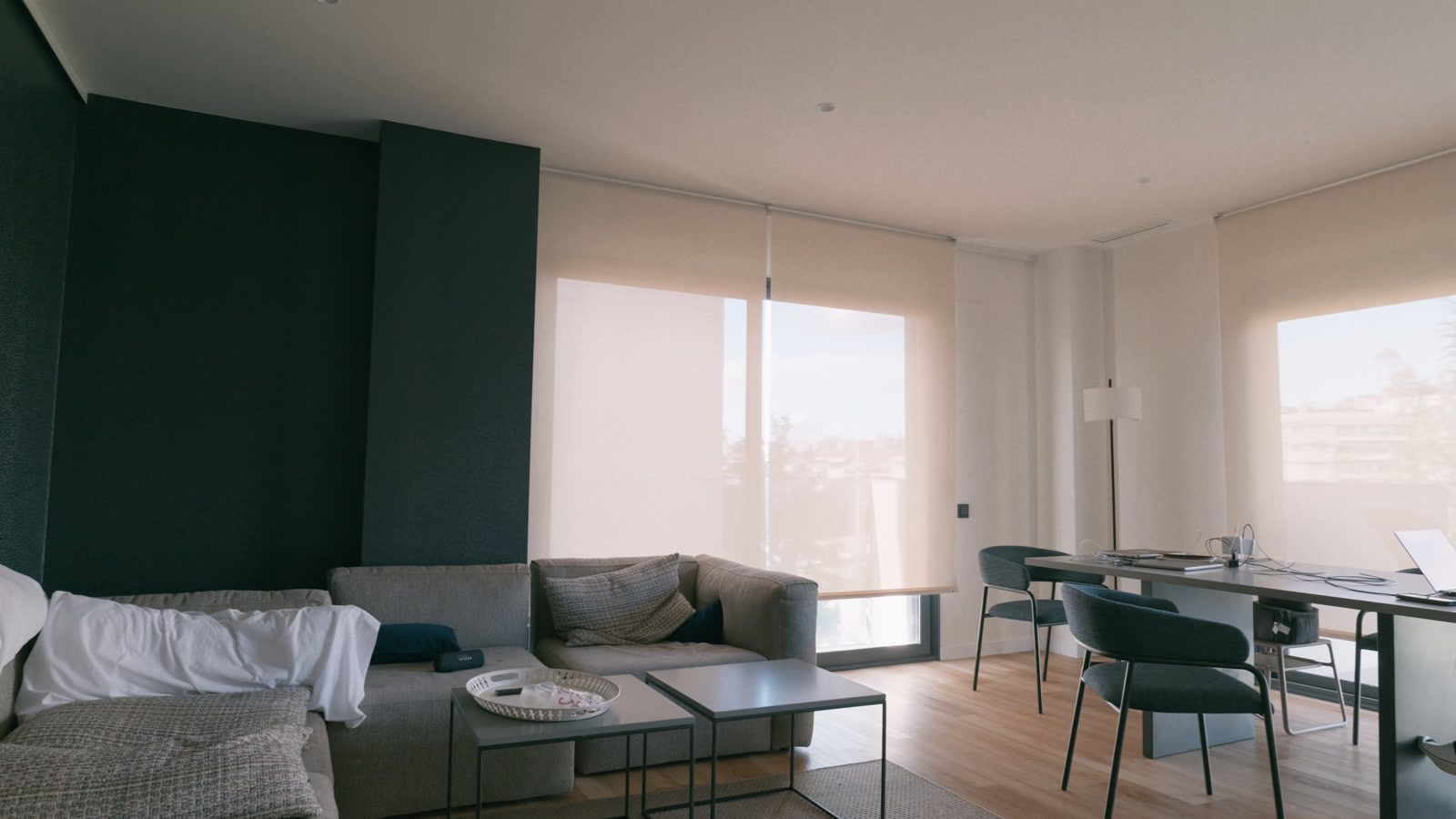
We also paid a €500 deposit, and I discovered it’s pretty much mandatory in most places. Getting it back took a long time, close to 45 days. The host told us they send the deposit to the government and wait for it to come back. We also had only a certain amount of electricity included. I am still not sure if we managed to fit into it.
It’s one of the buildings where only expats live. I haven’t heard any Spanish there, it was mostly English, and I noticed a lot of American expats.
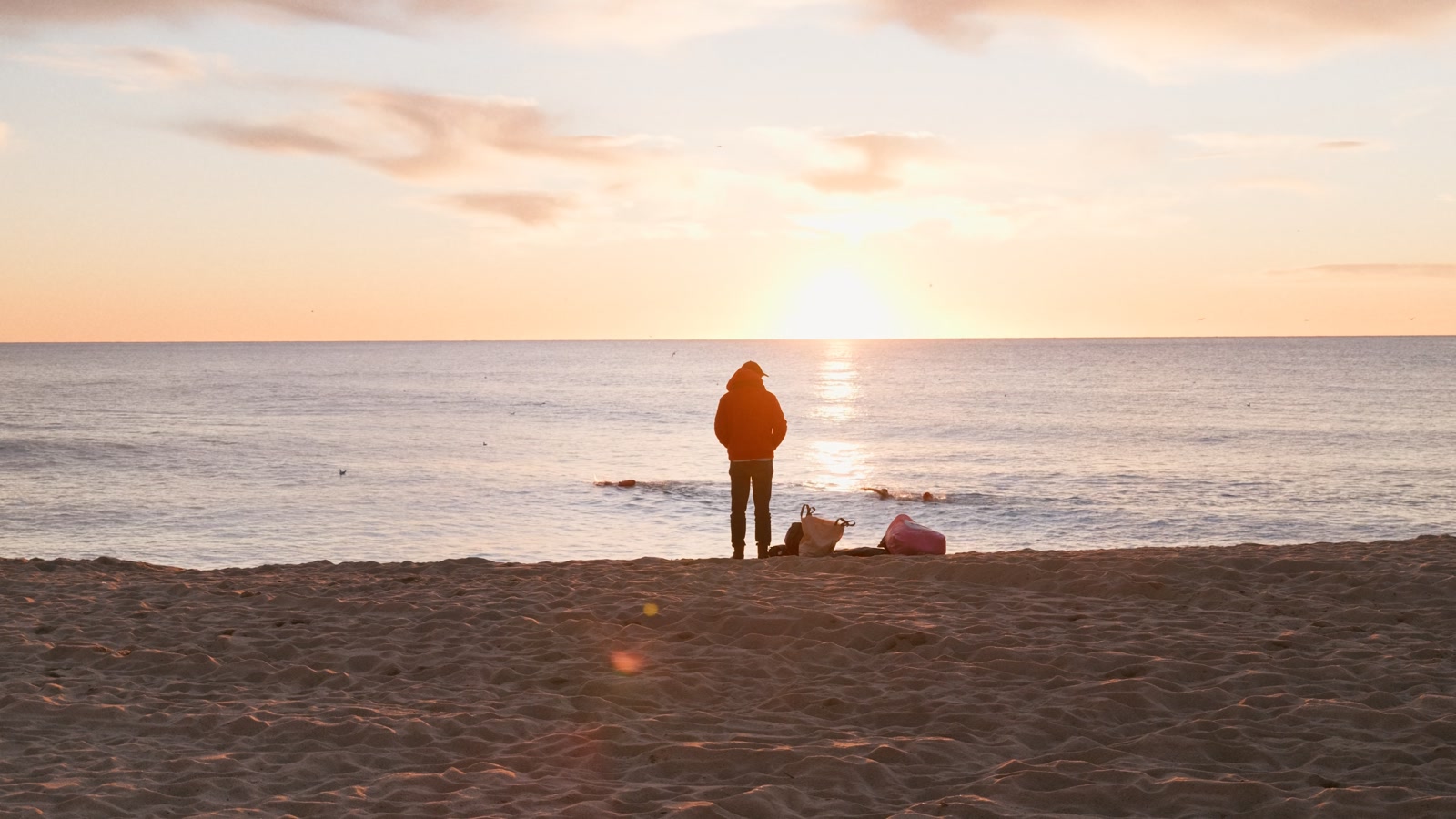
The location was amazing. Poblenou is my favourite area, and it was 150 m from the sea wall and the beach. I like to run a lot, so I was just exiting the building and almost immediately running along the sea, with the sun shining, even in January.
As you can imagine, with spring and summer, all the prices go up significantly. I checked the same apartment for spring, and it was already renting for €4,500. Which is absolute insanity if you ask me. But let’s move on.
Food
Since Barcelona is a capital of food, I expected this bill to be high, so I made my peace with it in advance.
We were going out very often. It’s such a great city to find amazing brunch places, dinner places, and coffee shops. And we were living together with friends, and going out together is what people do. We mostly preferred eating brunch out and cooking dinner at home, but even dinners were quite often eaten out or ordered in. I think we ate out maybe 60% of the time and cooked around 40%, which is huge for us. Back home in Zwolle, we cook maybe 95% of the time.
So for two people, we spent €735 on eating out, including coffee shops and everything, and €348 on groceries, making it a total of €1,085 for food. It’s a huge amount for us, as in the Netherlands we usually spend around €400-500 for everything, so half as much.
Eating out is certainly cheaper in Barcelona than back in Holland. We found a few places where two brunches with coffee were around €25. It can go higher, to €30-35, depending on the place. In the Netherlands, it would have been maybe €40-45 in good places.
Coffee costs around €2-3 for a cappuccino, and can go as low as €1.50 for a cortado or espresso. There is no lack of specialty coffee, and you can buy beans everywhere.

We were eating a lot of pizza, and the price for a margherita is around €10. Even in the place with one of the best pizzas in Europe, the pizza was around €15, which is okay.
I should mention that I am not a huge eater. I rarely go to fancy places, preferring nice cafes. I eat twice a day, brunch and dinner, and I eat vegetarian food. For some people, it might be more expensive, as meat and seafood tend to cost more.
Transportation
Transportation is quite cheap by my standards in Barcelona, especially using their long-term cards. You can buy an unlimited metro card for just €22.80 a month. It works in one zone, but this zone covers almost the whole city. A 10-trip card costs €13, and a single ticket is €2.90. If you’re planning to travel around the city for a month, it’s a no-brainer to get the unlimited card.
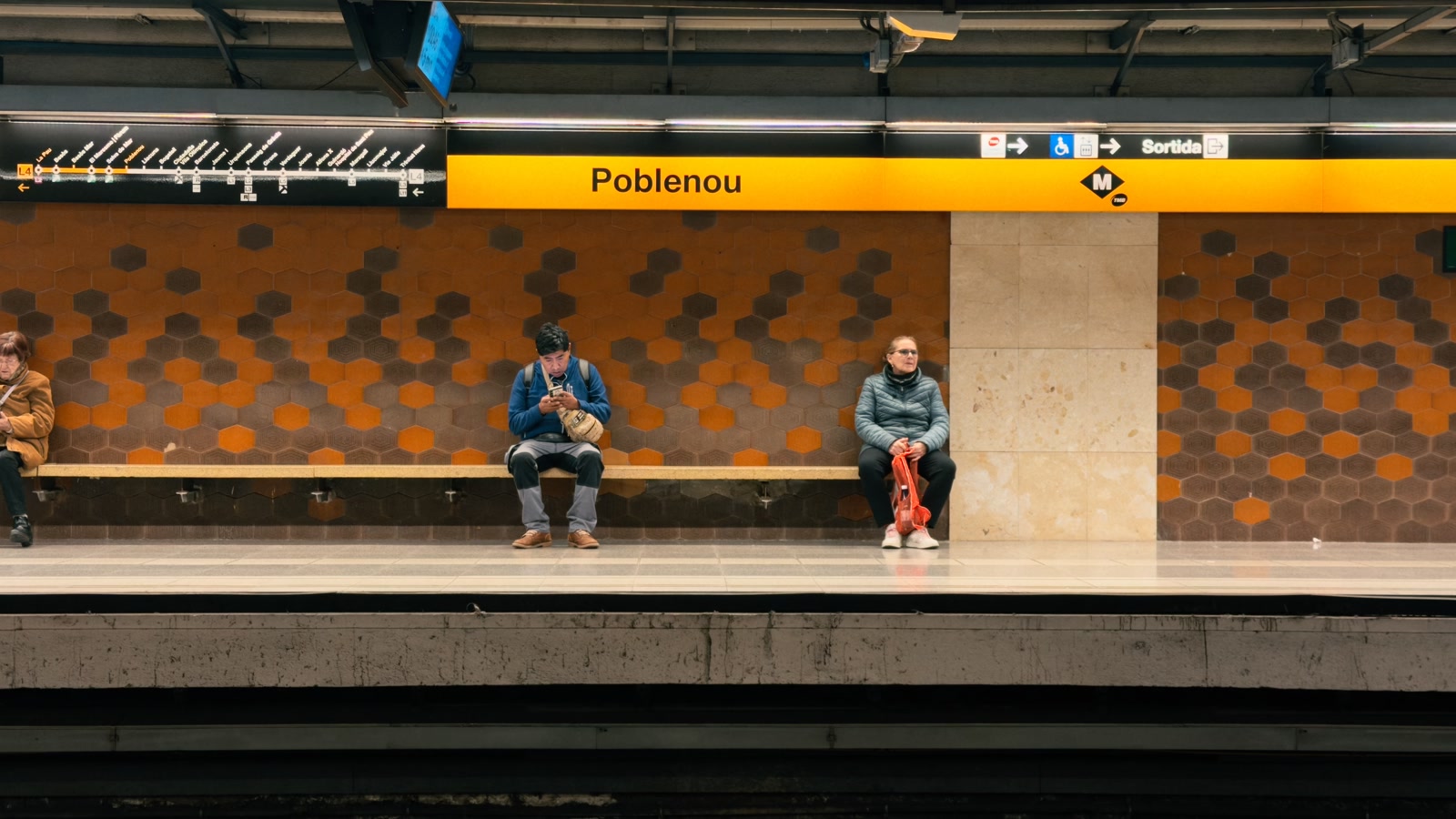
By the way, Barcelona is not the best for bike infrastructure. It’s a bit chaotic, with a lot of motorbikes in addition to cars, and not many dedicated bike lanes. In general, I noticed Spanish cities are not the best for biking, except maybe Valencia, which was one of the best I’ve seen in Spain. In Barcelona, it’s better to take the metro. The subway is everywhere, and the trains come quite often.
If you’re going to buy tickets, don’t forget your physical debit card. I was quite surprised that you cannot pay with Apple Pay or any similar system. You have to insert a physical card into the machine. I failed to buy a ticket, so I had to walk home :)
I don’t know the taxi prices well, as I don’t use them much, but to me they were quite expensive. A trip from the centre to Poblenou, which is about 15 minutes, cost around €15-20.
For anyone interested, the EV charging costs are relatively cheap. I only used Tesla Superchargers, and it was €0.38 per kWh during the day and €0.20 at night and in the mornings. Supercharger locations are terrible, so it might be a good idea to take a look at the alternatives. I went through one paid tunnel from the charger to the airport, and it cost €5. Parking at the airport is expensive, but 10 minutes is free.
So together, on car and transportation, I spent just around €40. I wasn’t using it much, mostly walking around the city. You don’t really need a car there. Walking is how I get to know a city and absorb its energy.
Sport and entertainment
As I only spent one month in Barcelona, I can’t really say much about these costs, but I’ll share what I learned.
My friend signed up for a gym in Poblenou near our house, and it cost €75 per month. There was a one-time registration fee of €50, but they let him sign up for a month without it.
I went to a few yoga sessions. I mostly used ClassPass, so it was hard to calculate how much it cost in money, as they use internal credits. I bought a membership for €19 for 11 credits, and classes in Barcelona were 3-4 credits, so for €19 I could visit about 3 classes. Classes in English are usually a bit more expensive. If you know Spanish, you can find them for 2 credits. I checked the studios’ websites directly, and it’s more expensive there, around €15-19 per session in English, but it’s cheaper if you buy in bulk. One month unlimited is about €115.
A funny story about Spanish classes. If you don’t speak Spanish, make sure the class explicitly says it’s in English. One time, the description was in English, so I thought the class would be too. It was a great, very big studio, and the teacher seemed very involved, but the class was completely in Spanish. I panicked a little at first, and then I thought, well, I know yoga, I know the positions, so I just followed him through the class. It was fine. If you’re learning Spanish, it’s a good way to practise.
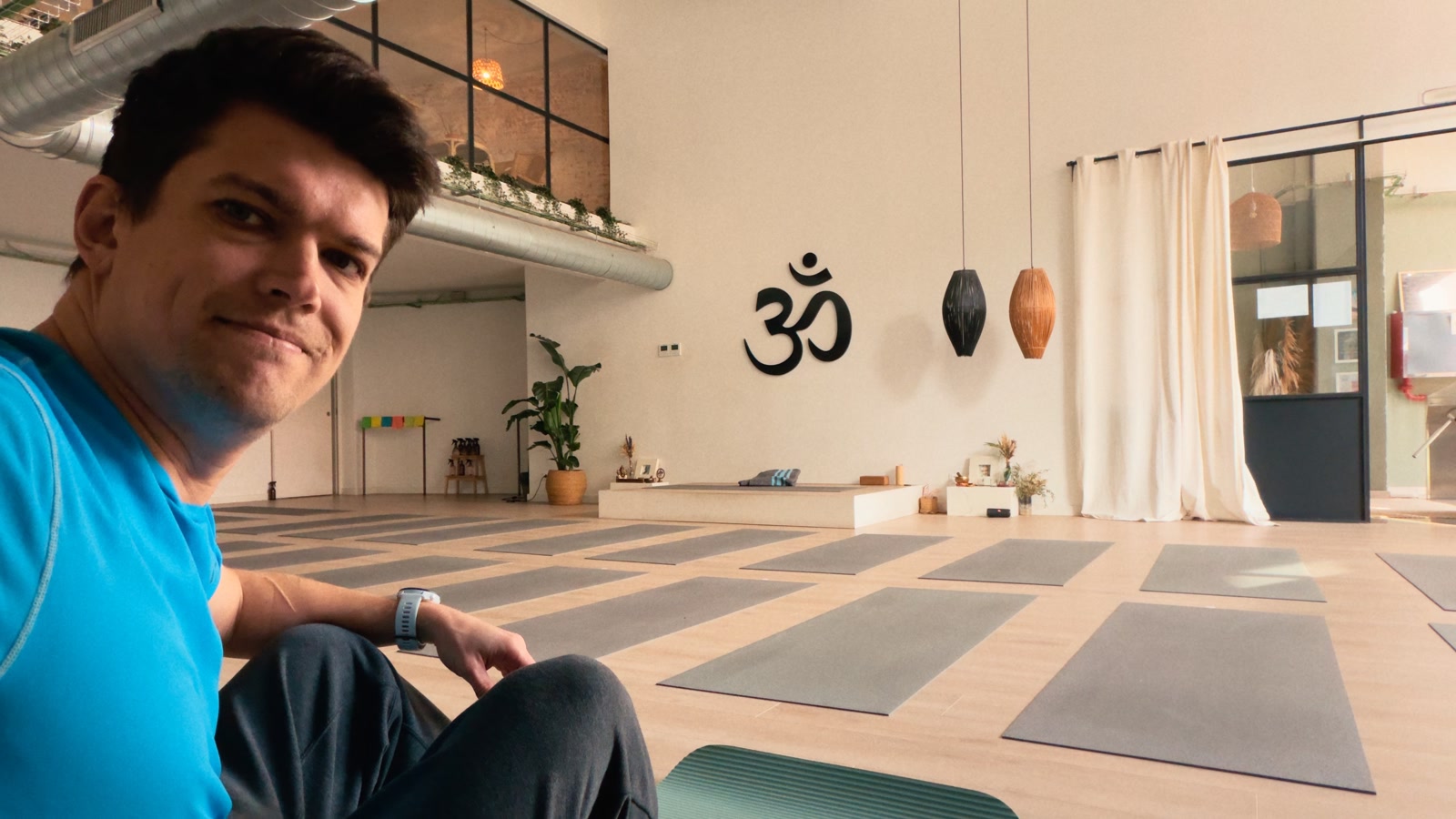
It was the first time I tried ClassPass, and it was kinda cool. I like that I could book everything from the app, and it works in many countries in Europe. They have various sports like boxing, gym, or Peloton. A good way to try things.
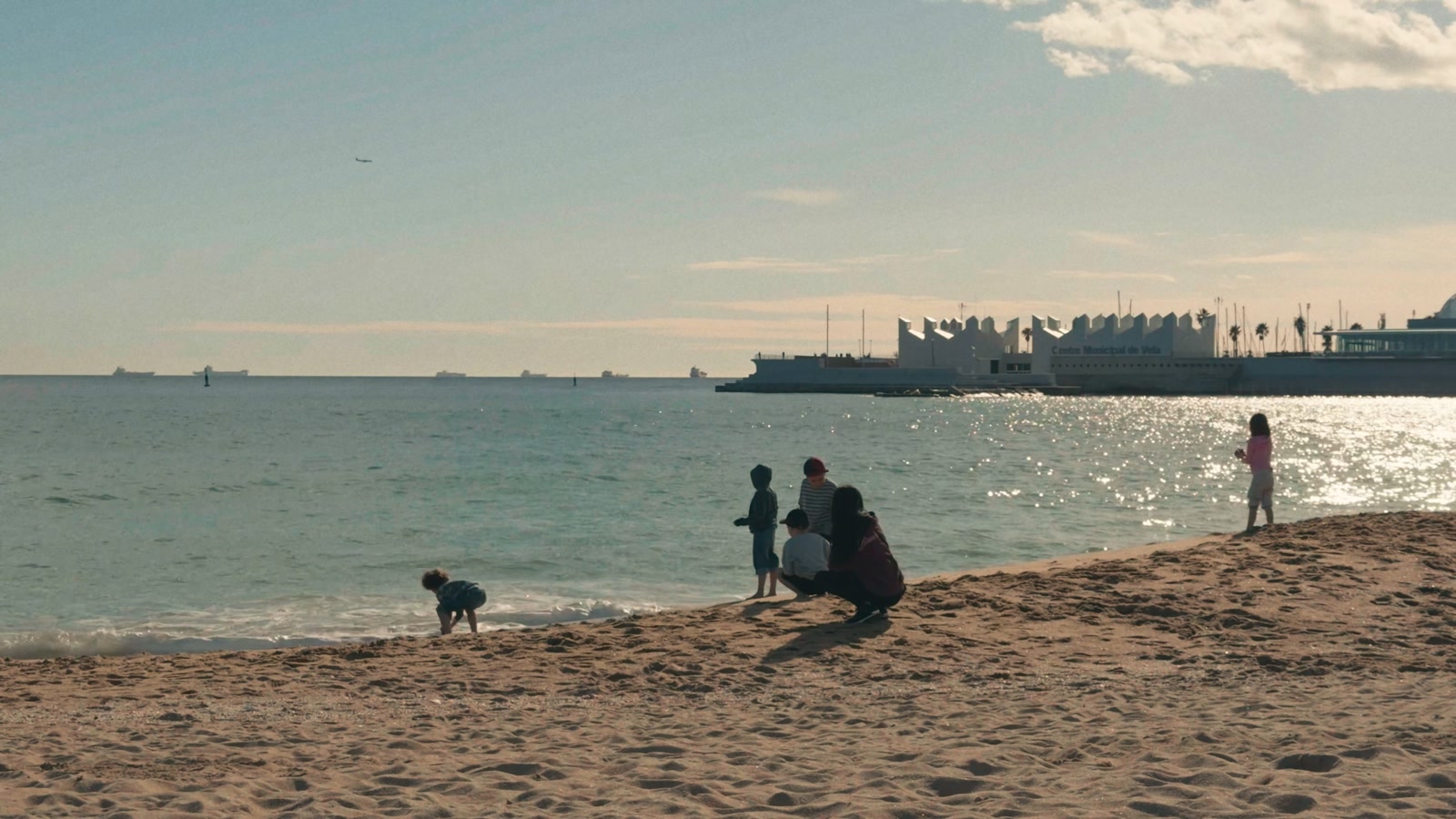
From the entertainment side, we didn’t do much, to be honest, as just walking around the city was amazing enough. There were some carnivals happening as well. Chinese New Year was pretty cool, with a huge carnival taking over the city centre. You can also hang out on the beach and the sea wall, and there is always something happening there.
I went to the cinema once to watch Marty Supreme, and the ticket was €9.50 in English. The cinema was not great, but it was cheap.
Totals
So to me, if I exclude all my recurring and personal costs, the stay in Barcelona purely was €1,700 (house) + €1,085 (food) + €40 (transportation) + €20 (sport) + €20 (entertainment) = €2,865 for two people. It’s also excluding the cost of getting there.
Where €2,865 went in a month
Two people, January 2026. Excludes getting there and costs back home. Accommodation is our half of €3,400.
- Accommodation €1,700 (59%)
- Food €1,085 (38%)
- Transport, sport and entertainment €80 (3%)
If you want to calculate a long-term stay, I think you must add quite a bit for the various costs of living in a country, like health insurance, utilities and internet, any shopping, and any other recurring costs, making it probably closer to €3,500. But long term, you might as well pay less for accommodation and cook more, so it might be lower.
Salaries and taxes
Let’s talk about salaries. I should warn you that it’s just research, not the real salaries of people I know.
I started by looking at a familiar industry, software engineering. According to Glassdoor, PayScale, and even Levels.fyi (which usually has only high-paying companies), the median software engineering salary is €45,000-50,000, with a ceiling of €75,000-80,000. But of course, Barcelona has a lot of startups and big company offices, so it might go even higher, but that’s true for any country.
So I checked a tax calculator I found online, not sure how accurate it is, though. After tax, €50,000 comes to around €3,000 per month. It’s not bad, but if we take my expenses into account, it’s going to be pretty tight, and software engineering is a high-paying job.
On average, I found that salaries are around €30,000 per year, which is around €1,900 per month after taxes. Which is quite tight.
Take-home pay against the cost of living there
Monthly pay after tax, from an online calculator, next to my estimate for living in Barcelona long term as a couple.
My long-term budget for two people
Software engineer earning €50,000 a year
Average salary of €30,000 a year
Empathy instead of judgement
Barcelona quite famously was one of the cities where some of the anti-expat movement exists. In my experience, apart from a few “expats go home” sprayed on the walls, I didn’t encounter any negativity in the city. Spanish people and residents of Barcelona were absolutely amazing.
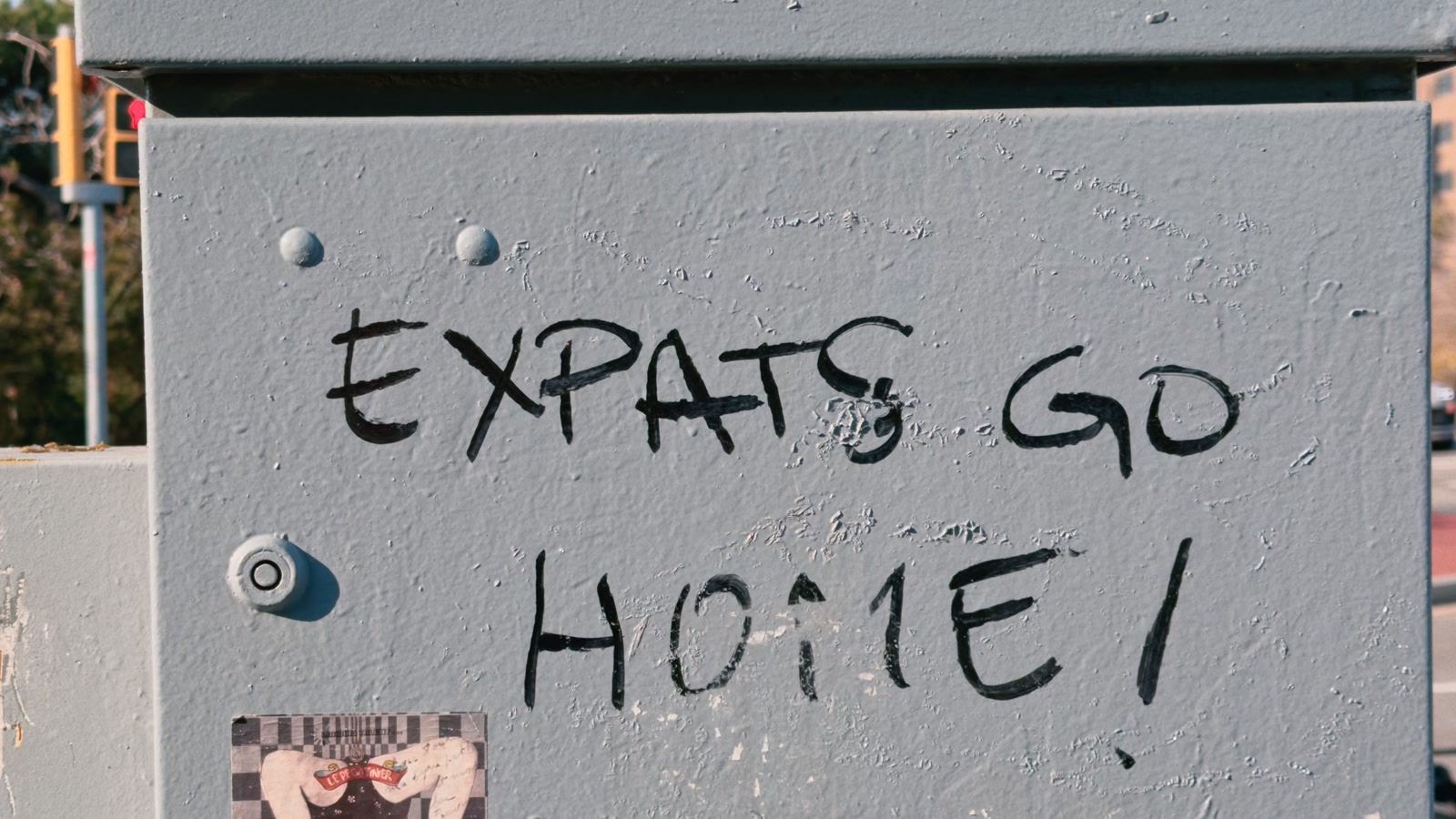
But looking at these numbers, I can understand why Barcelona locals might have such a negative stance against expats and tourists in their city.
We might agree or disagree on what’s good or bad for the city, and it’s out of scope of this article to talk about globalisation and gentrification, but we can at least understand the residents a bit better, and use some empathy instead of judgement.